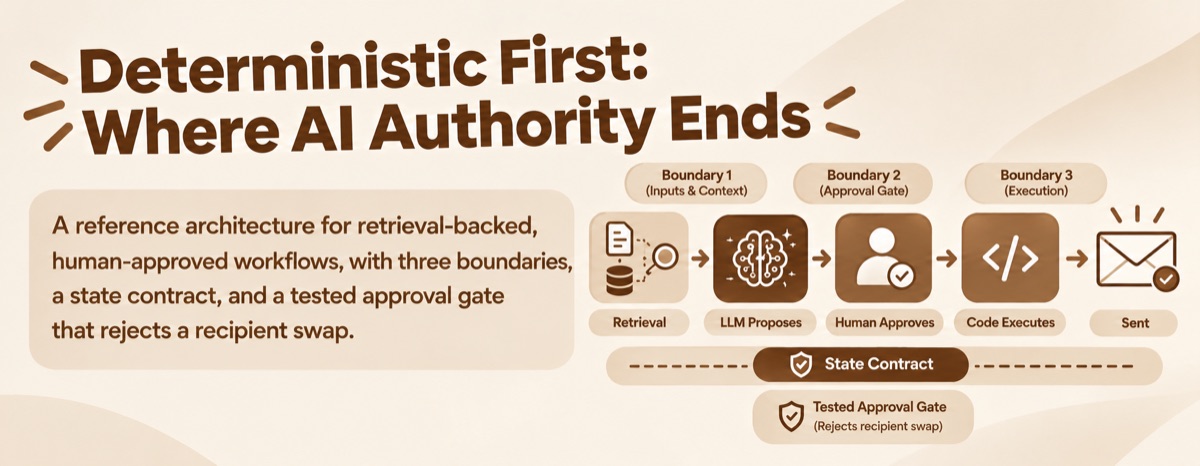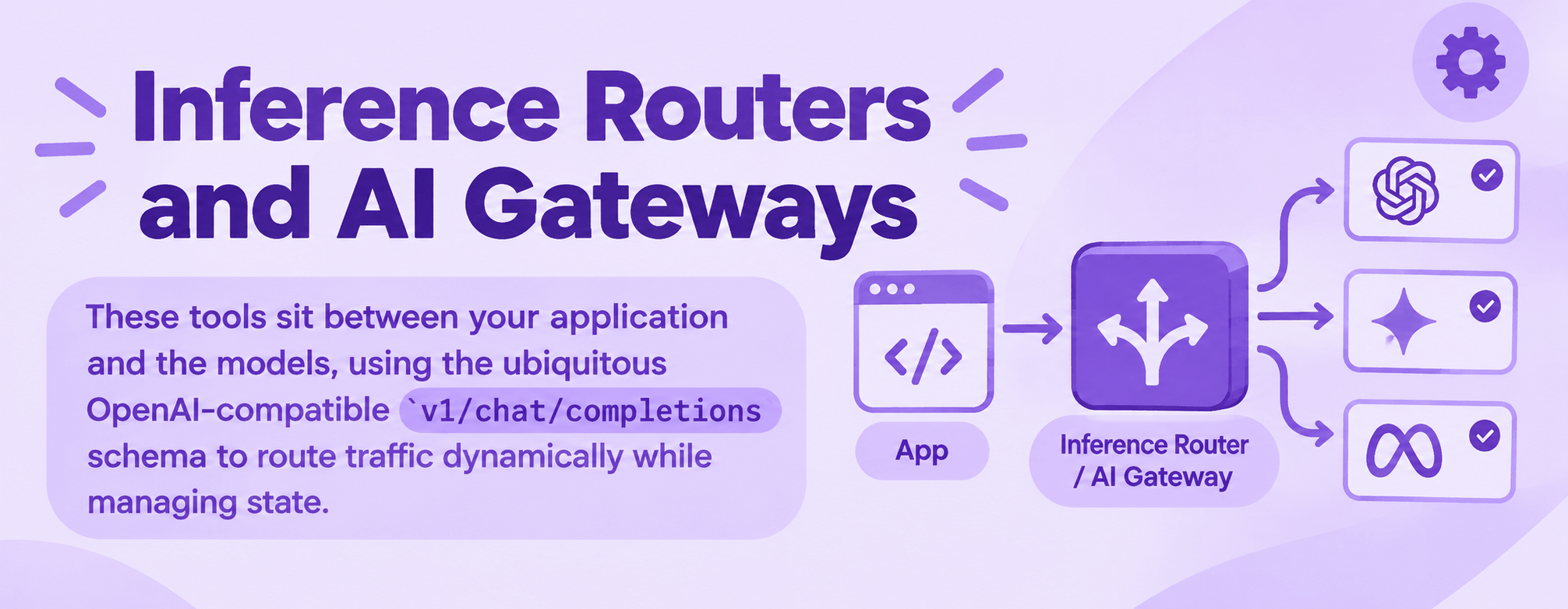
How generative AI routing differs from load balancing: KV caching, model affinity, switching budgets, and when to use an inference router, an AI gateway, or both.
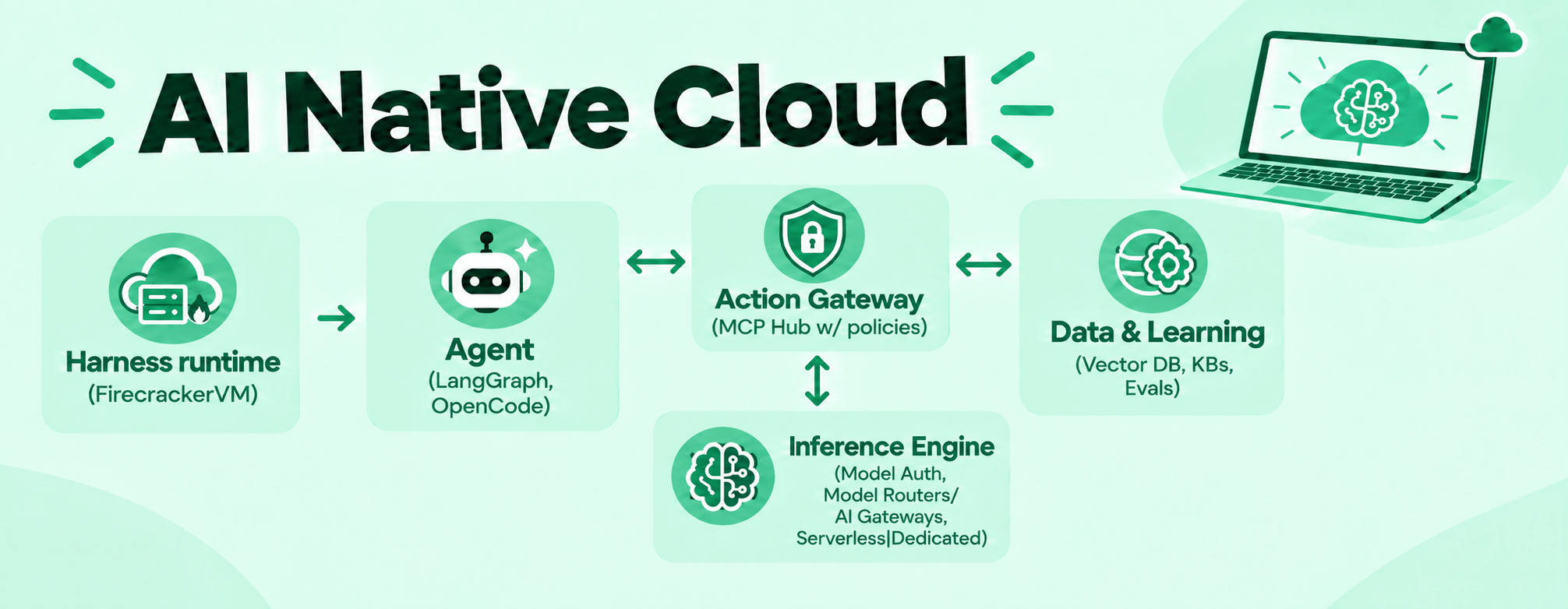
A map of the AI-native cloud (managed agent runtimes, serverless inference, routing, caching, knowledge bases, evaluations, GPUs) followed by a product-by-product tour of what a full AI cloud offers, with illustrative pricing.
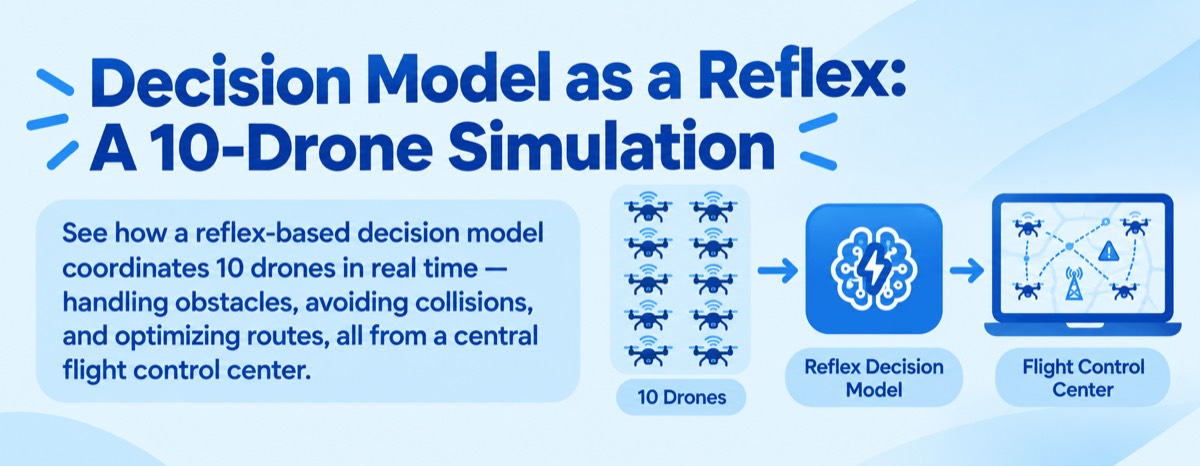
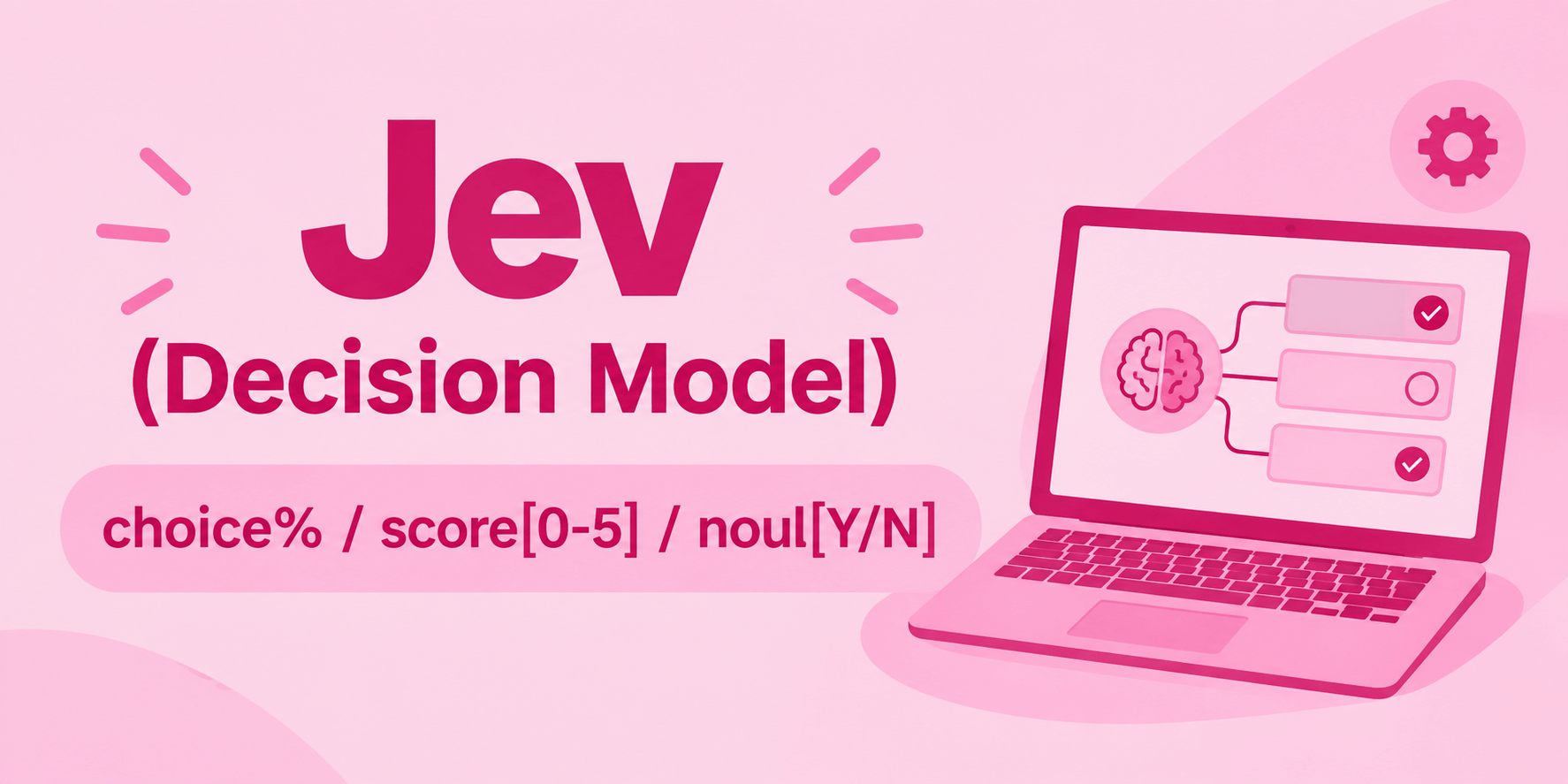
Jev from TypeSafe AI understands language at a frontier level but never generates a token. It is a non-autoregressive decision model on DigitalOcean Serverless Inference that returns typed answers with calibrated probabilities. Here is how it differs from an LLM, with working API calls for all three question types.
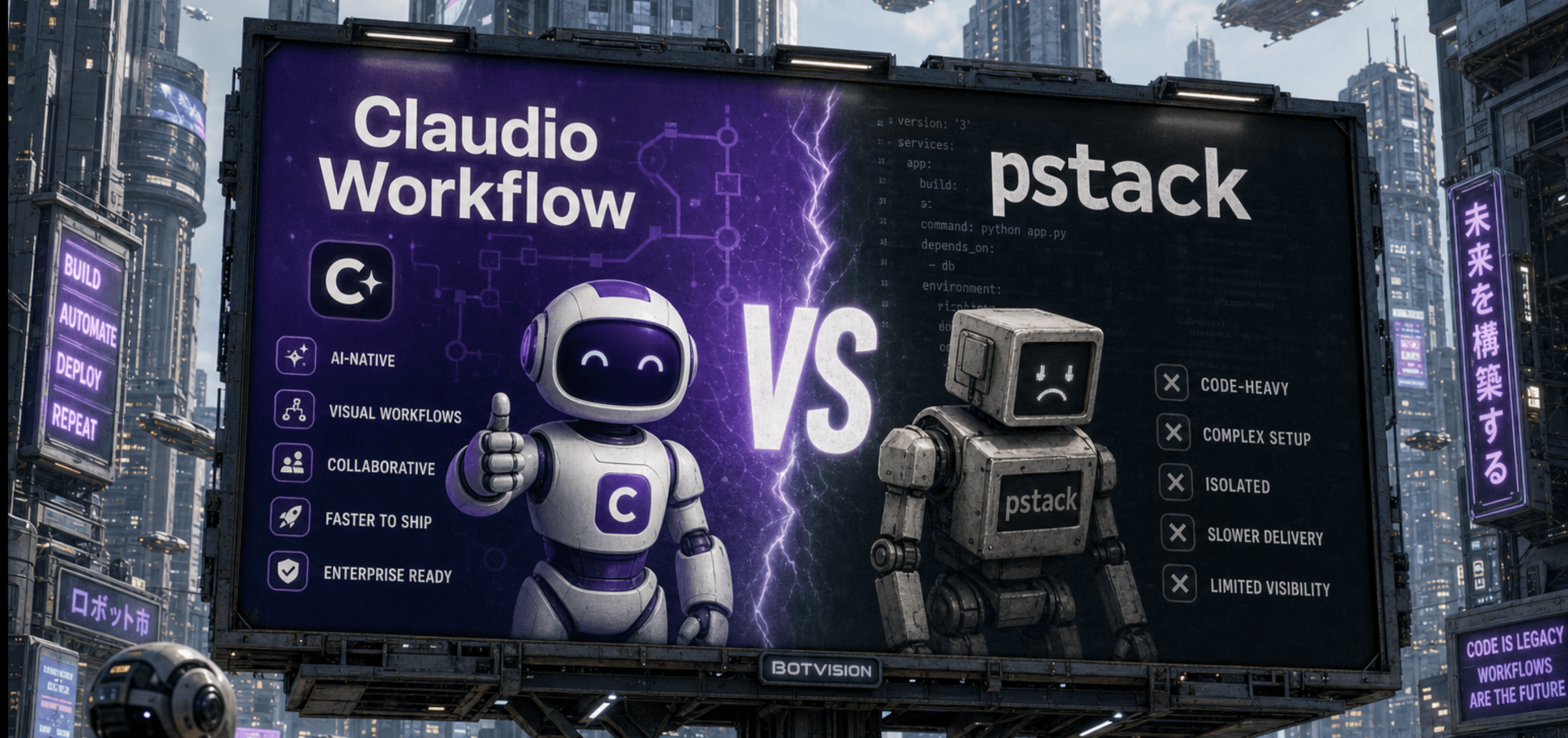
A breakdown of pstack, a heavyweight AI agent orchestration framework, compared against a lightweight SCOPE-based large-brain-to-small-brain pipeline: two different paths to the same engineering rigor.
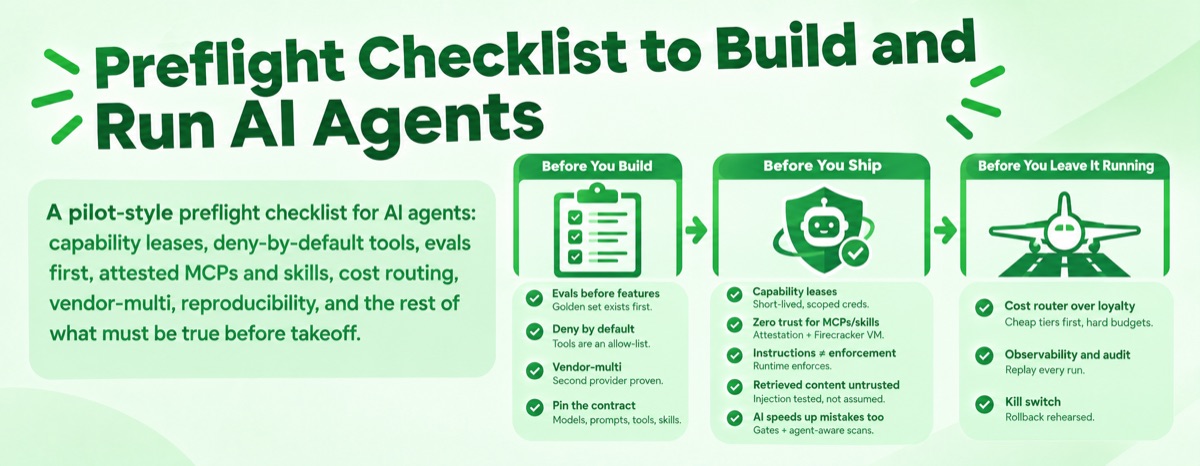
A worked example of grading an AI agent's response against its own tool-use and formatting instructions, and why 'it produced a correct answer' isn't the same as 'it followed the rules.'
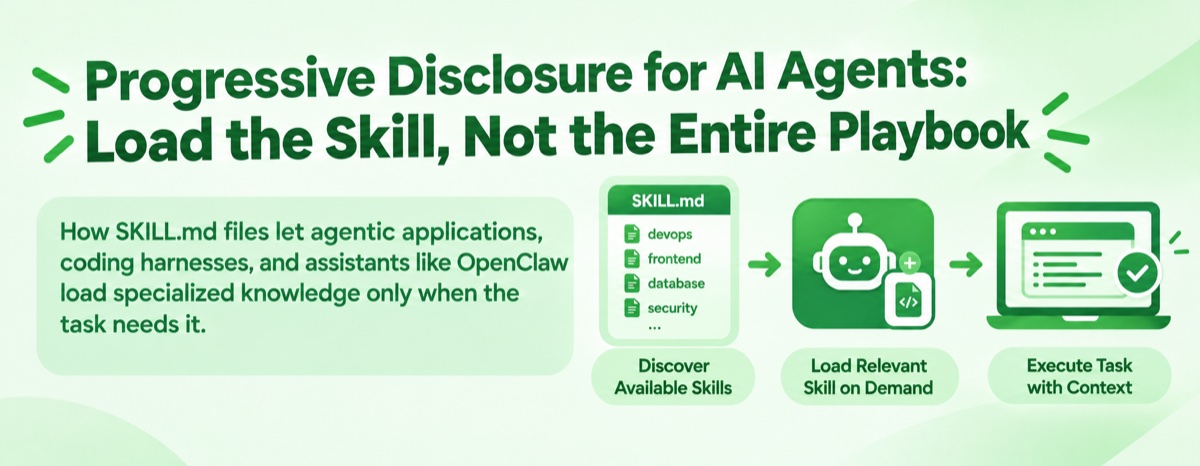
Coding agents like Claude Code load a fixed startup budget of system prompt, tools, memory, and skills before you type a single word. Here's how to audit that budget and prune the biggest offender: bloated memory files.
How to combine Google's Open Knowledge Format with self-updating codebase graphs to give coding agents portable, versioned, and token-efficient repository memory.
Graphs are showing up everywhere in agentic AI: codebase maps, LangGraph workflows, multi-agent coordination, ADE control planes, and GraphRAG memory systems.